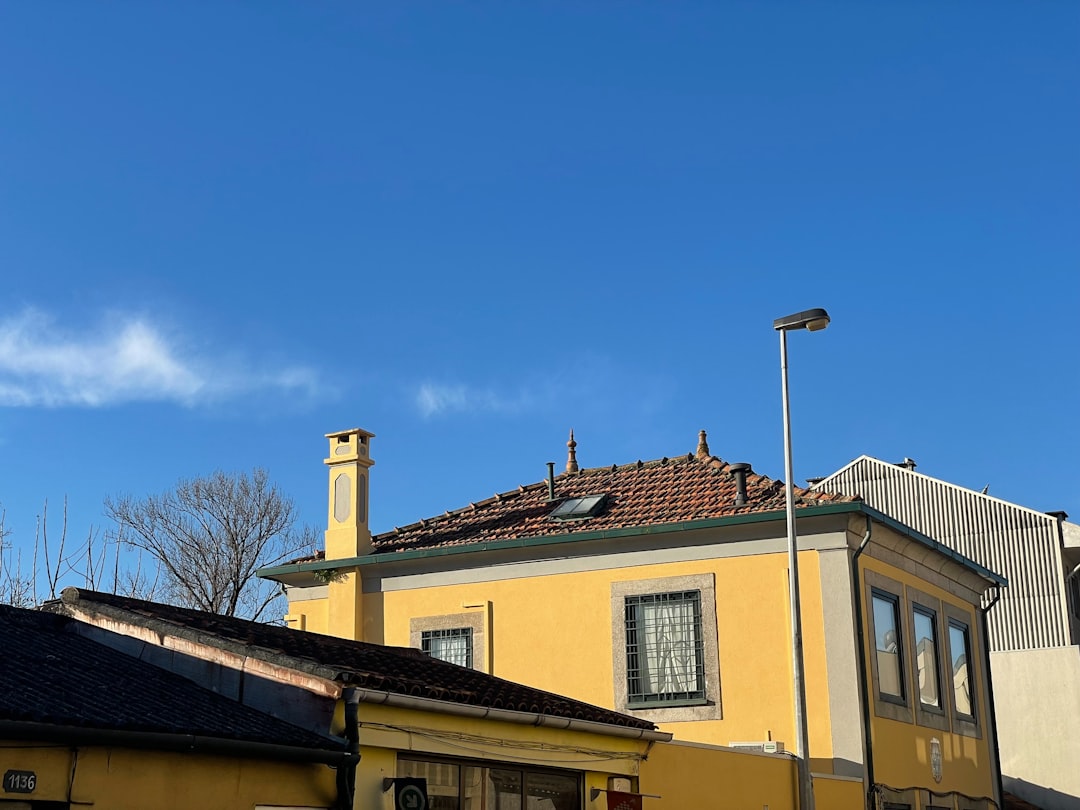
Beat the Southern Heat: How Proper Attic Ventilation Prevents Costly Roof Damage
The summer sun in Georgia is relentless. Your air conditioner is working overtime, the humidity feels like a thick blanket, and you’ve noticed your neighbors are replacing their “15-year” roof after only 10. What if the biggest threat to your roof isn’t the next thunderstorm, but the stagnant, super-heated air trapped right inside your attic? In the humid South, your attic can transform into an oven and a sauna, silently destroying your roof and your home’s structure from the inside out.

Understanding the hidden forces at play above your ceiling is a cornerstone of smart homeownership. As a trusted resource in Georgia real estate, we believe that providing this high-value expertise empowers you to protect your most significant investment. This post will explain the critical role of attic ventilation in preventing roof damage, saving you thousands in premature repairs, lowering your energy bills, and preserving the long-term value of your home.
Key Takeaways
- Heat is the Enemy: In southern climates, an unventilated attic can reach temperatures of 150°F or higher, effectively “baking” your asphalt shingles from below and drastically shortening their lifespan.
- Moisture Means Destruction: The combination of high outdoor humidity and moisture from inside your home gets trapped in the attic, leading to condensation, wood rot, mold growth, and compromised insulation.
- Balance is Everything: An effective ventilation system requires a balanced flow of air—cool, dry air entering through low intake vents (like soffits) and hot, moist air exiting through high exhaust vents (like a ridge vent).
- Ventilation Saves Money: A properly ventilated attic reduces the heat load on your home, allowing your air conditioning system to run more efficiently and lowering your monthly cooling costs.
Why Humid Southern Climates Are a Roof’s Worst Nightmare
Living in the South means embracing sweet tea, front porch swings, and, unfortunately, a climate that is uniquely hostile to residential roofs. It’s not just one factor, but the punishing combination of intense solar heat and pervasive, year-round humidity that creates a destructive environment unlike any other.
The Double-Edged Sword: Intense Heat & Pervasive Humidity
Individually, heat and moisture are damaging. Together, they create a synergistic effect that accelerates the aging and decay of your home’s most critical protective layer. The sun beats down on your roof, while the air itself is saturated with water vapor. This constant assault from both temperature and moisture puts your roofing materials, decking, and structural timbers under immense stress, day in and day out.
The “Attic Oven Effect”: How Trapped Heat Bakes Your Shingles
Think of your attic as a sealed box sitting in the sun. Solar radiation heats the shingles, and that heat radiates downward. Without a way for this super-heated air to escape, attic temperatures can soar. Research from building science experts shows that on a 90°F day, the temperature in a poorly ventilated attic can easily exceed 150°F.
This extreme, trapped heat effectively “cooks” your asphalt shingles from the underside. The asphalt loses its volatile oils, which are essential for flexibility. The shingles become brittle, start to curl at the edges, and lose their protective granules. This process, known as thermal degradation, is why a 25-year shingle might fail in as little as 10-12 years in a poorly ventilated attic in a southern climate. You’re not just losing years of life from your roof; you’re losing the very protection it was designed to provide.

The “Attic Sauna Effect”: Moisture, Condensation, and Rot
While the “oven effect” is at work during the day, the “sauna effect” takes over as temperatures change. Daily household activities like showering, cooking, and even breathing introduce gallons of water vapor into your home’s air. Since warm, moist air rises, much of it ends up in your attic.
When this warm, humid attic air comes into contact with the roof sheathing—which has cooled down after sunset—it reaches its dew point and condenses, just like water on a cold glass of iced tea. This condensation drips onto your insulation, making it damp, compressed, and ineffective. Worse, it soaks the wooden roof deck, trusses, and rafters. This persistent dampness is the perfect breeding ground for mold and mildew, which can cause respiratory issues and unpleasant odors. Over time, it leads to wood rot, compromising the structural integrity of your entire roof system and leading to catastrophically expensive repairs.
Attic Ventilation: Your Home’s Essential Breathing System
The solution to the oven and sauna effects is surprisingly simple in principle: your attic needs to breathe. A properly designed ventilation system creates a continuous, passive flow of air that flushes out the damaging heat and moisture before they can accumulate.
How a Balanced Ventilation System Works
Think of your attic’s ventilation like your own respiratory system. It needs to inhale and exhale to stay healthy.
- Intake (Inhaling): Cool, fresh, and drier air is drawn into the attic through vents placed low on the roofline or in the eaves. The most common type of intake vents are soffit vents, located in the underside of your roof’s overhang.
- Exhaust (Exhaling): As the air inside the attic heats up, it naturally rises. Exhaust vents, placed at or near the peak of the roof, allow this hot, moist air to escape. Common exhaust vents include ridge vents (which run along the entire peak of the roof), gable vents, or turbine vents.
The key to success is creating a balanced system. According to the Federal Housing Administration (FHA), the general rule is to have at least 1 square foot of ventilation for every 300 square feet of attic floor space, split evenly between intake and exhaust. An imbalance—too much exhaust and not enough intake, for example—can be ineffective or even pull conditioned air from your living space, raising your energy bills.

The Key Types of Damage Proper Ventilation Prevents
Investing in a proper ventilation system is one of the most effective ways to protect your home. Here’s a summary of what it accomplishes:
| Benefit | How It Works | Financial Impact |
|---|---|---|
| Prevents Premature Shingle Aging | By continuously flushing out super-heated air, it stops the “Attic Oven Effect” from baking shingles from below. | Extends the life of your roof, delaying a costly replacement by years. |
| Stops Mold and Wood Rot | By removing moist air before it can condense, it keeps the roof deck and structural wood dry, preventing the “Attic Sauna Effect.” | Avoids thousands of dollars in structural repairs and mold remediation. |
| Reduces the Risk of Ice Dams | In colder months (even in North Georgia), it keeps the roof deck cool, preventing snow from melting and refreezing at the eaves. | Prevents water from backing up under shingles and leaking into your home. |
| Lowers Your Energy Bills | A cooler attic reduces heat transfer into your living space. Your AC doesn’t have to fight a 150°F “heat cap” above your ceiling. | Can reduce cooling costs by up to 30%, according to the Department of Energy. |
Is Your Attic Suffocating? 5 Telltale Signs of Poor Ventilation
Your home often provides clues that your attic isn’t breathing correctly. Being able to spot these signs can help you address the problem before significant damage occurs.
Clues from the Outside
Take a walk around your property and look up. Your roof itself might be telling you something is wrong.
- Curling, Cracking, or Discolored Shingles: Shingles that are cupping at the edges or showing significant cracking are a classic sign of excessive heat damage.
- Visible Waves or Ripples: If you look at the roof from an angle and see wavy or sagging spots, it could indicate that the underlying roof decking (plywood or OSB) has been compromised by moisture and is starting to delaminate or rot.
Clues from Inside the Attic
If you can do so safely, a quick peek into your attic can be incredibly revealing.
- A Strong, Musty, or Moldy Smell: Your nose is a powerful tool. A stuffy, musty odor is a red flag for trapped moisture and potential mold or mildew growth.
- Damp, Compressed, or Matted Insulation: Your attic insulation should be fluffy and dry. If it looks wet, flat, or matted down, it has likely been saturated by condensation and is no longer insulating effectively.
- Dark Stains on the Wood: Look at the underside of the roof decking and the rafters. Dark, blackish stains are a clear indicator of moisture problems and mold.
Clues from Inside Your Home
You don’t even have to go outside or into the attic to find evidence of a ventilation problem.

- Unusually High Summer Cooling Costs: If your AC runs constantly and your energy bills are sky-high, a hot attic could be a major contributing factor.
- Ceiling Stains or Peeling Paint: Water stains or peeling paint on the ceilings of your top floor, especially in closets or near exterior walls, can be a sign of attic condensation dripping down.
- A General Feeling of Stuffiness: If your home’s upper level feels noticeably more humid or stuffy than the rest of the house, it could be due to heat and moisture radiating down from a poorly ventilated attic.
Your Action Plan: Assessing and Improving Your Attic Ventilation
If you suspect your attic has a breathing problem, there are steps you can take to assess the situation and find a solution.
The Quick DIY Check-Up (Safety First!)
Before doing anything, prioritize safety. Never walk on a roof, and be extremely careful when using a ladder or entering an attic.
- Look for Intake Vents: Walk around the outside of your home and look under the eaves (the roof overhang). You should see small, perforated vents (soffit vents). Make sure they aren’t blocked by paint, cobwebs, or debris.
- Look for Exhaust Vents: Look at the peak of your roof. Do you see a raised vent running along the ridgeline? Or perhaps circular turbine vents or static “pot” vents?
- Check for Blockages Inside: From inside the attic, carefully look toward the eaves. You should see daylight coming through the soffit vents. Often, insulation gets pushed into this area, blocking the airflow. This is one of the most common ventilation failures.
Understanding Common Ventilation Systems in the South
The most effective and common system for homes in Georgia is a Soffit-and-Ridge Vent System. This setup uses the entire length of the soffits for intake and the entire peak of the roof for exhaust, creating a smooth, balanced, and highly effective airflow powered by natural convection. Other systems you might see include gable vents (louvered vents at the peaks of gables) or a combination of soffit vents and turbine/power vents.
Why Professional Help is a Smart Investment
While a quick visual check is helpful, designing and implementing an effective ventilation system is a science. A qualified roofing professional can accurately calculate the Net Free Area (NFA)—the amount of open space your vents provide—and determine the correct balance for your specific home. They understand how different roof designs and local weather patterns impact performance.
Improperly installing vents can make problems worse, and a professional can ensure the job is done right. For a deeper dive into what a comprehensive roof system entails, especially for our climate, this ultimate roof installation guide for Southern homes provides excellent, detailed information.
Protect Your Roof, Protect Your Investment
The role of attic ventilation in preventing roof damage in humid Southern climates cannot be overstated. It is not an optional extra or a minor detail; it is a fundamental system for preserving your roof’s lifespan, your home’s structural integrity, and your energy budget. A hot, wet attic is a silent destroyer, but one that can be easily tamed with a proper breathing system.
Being a knowledgeable homeowner means understanding these critical, often-overlooked systems. This knowledge is power, whether you are maintaining your current property, looking to buy a new one, or preparing to sell. A home with a well-ventilated roof is a more durable, efficient, and valuable asset.
A healthy roof is a cornerstone of a valuable home. If you’re navigating the Georgia real estate market, understanding details like attic ventilation can make all the difference. For more expert insights on protecting and maximizing your home’s value, we invite you to explore our resources. To see the full breadth of topics we cover, from buying guides to selling strategies, you can review our comprehensive post sitemap and page sitemap or connect with our experienced team today.